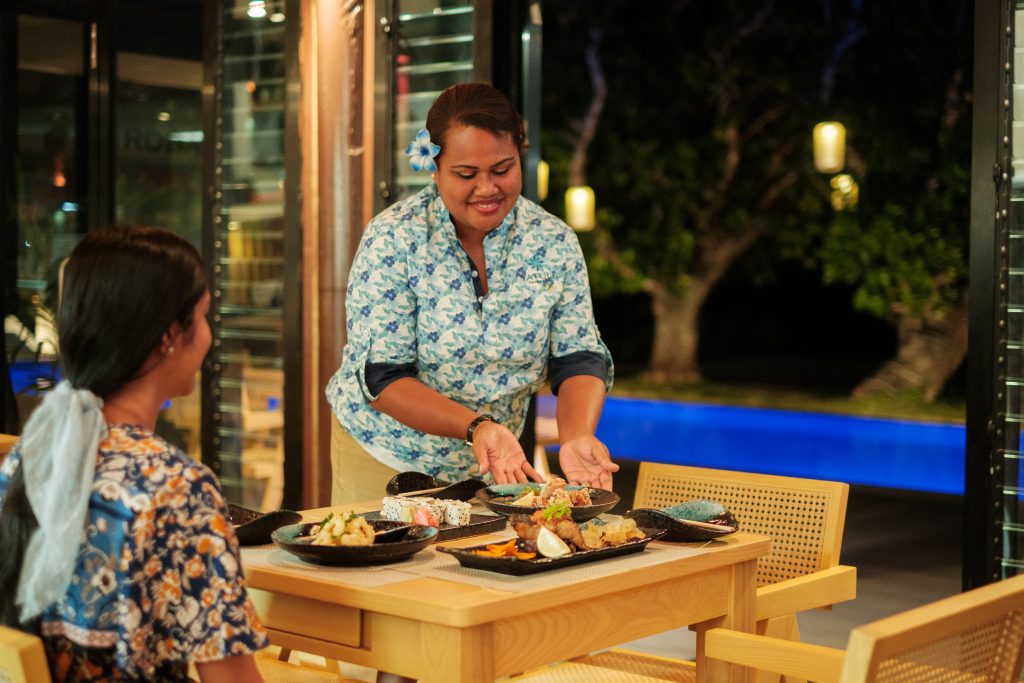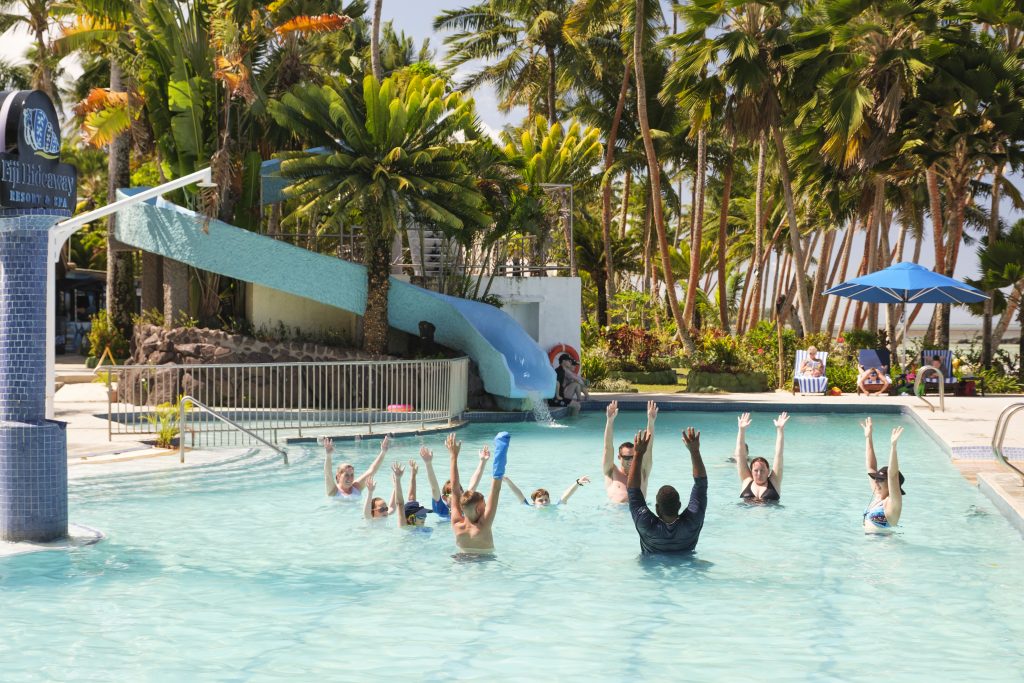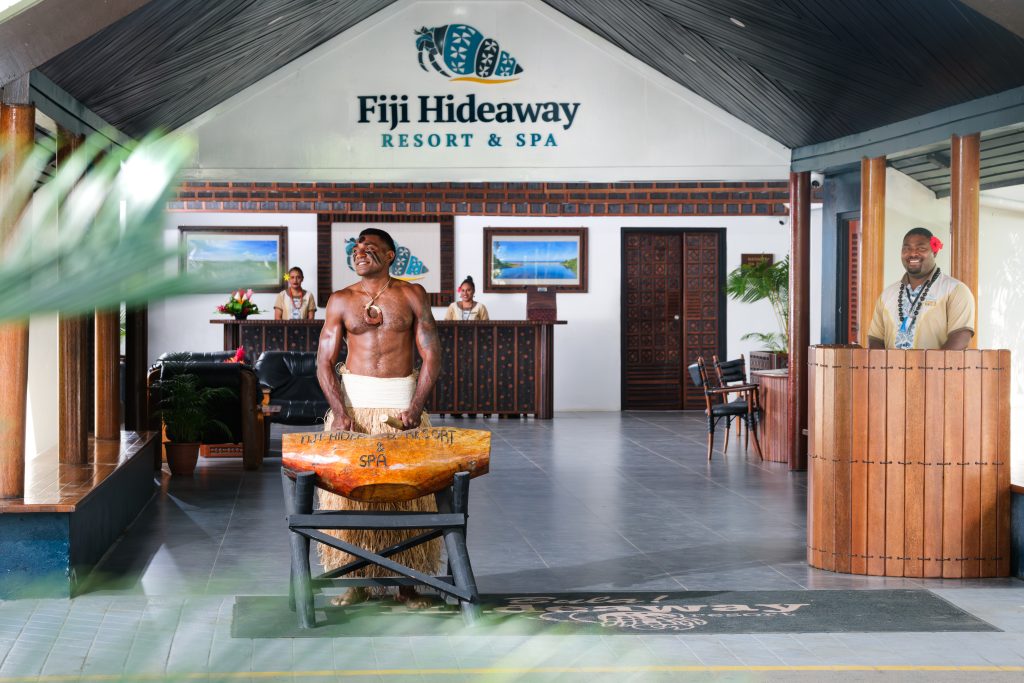

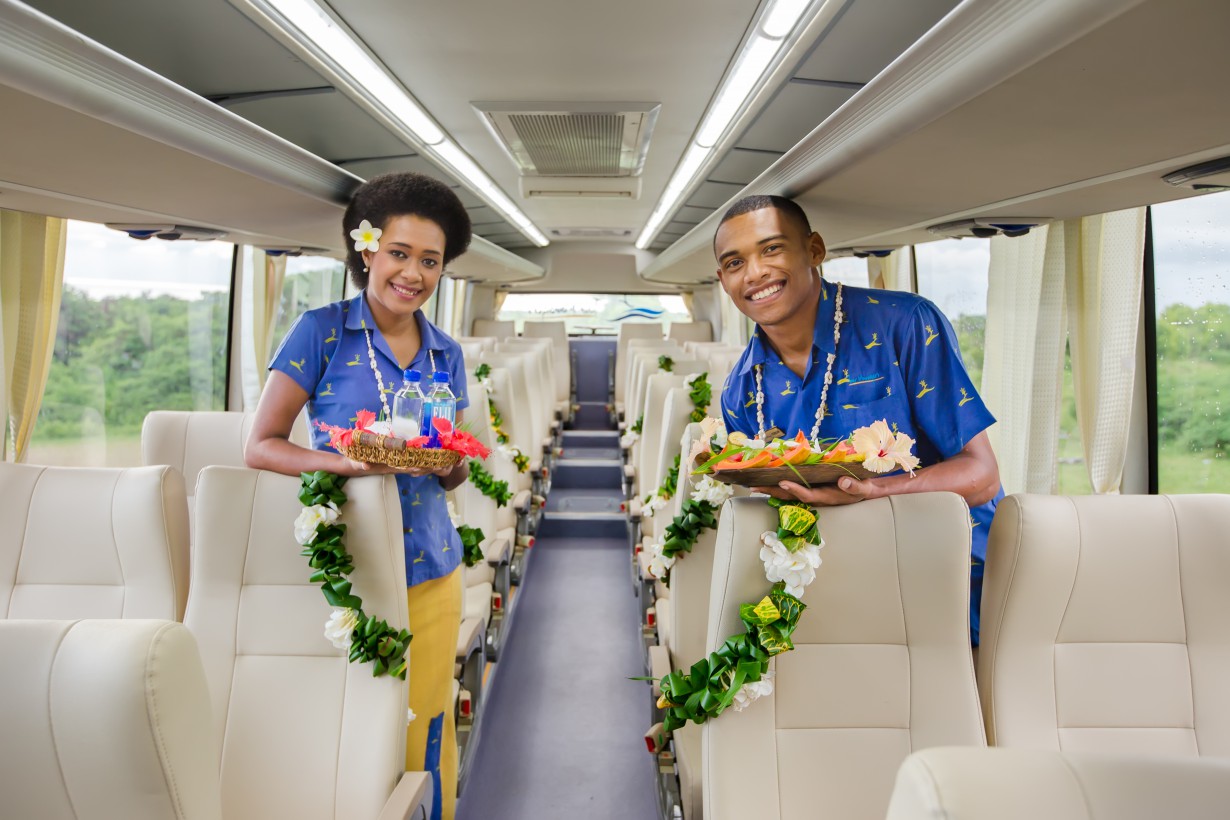
Before the beach, the reef or the rainforest, many visitors meet Fiji through one word: Bula.
You hear it at the airport, from drivers, resort teams, boat crews and people you meet along the way. Tourism Fiji describes Bula as more than hello. It is also a wish for life and good health, which helps explain why the greeting feels so naturally connected to the warmth of a Fiji welcome.
At Kimaya Fiji, the idea of hospitality is also tied to deeper values. The group describes its identity around diversity, humility, integrity and meaningful connections with guests, staff and communities.
Why Bula feels different from an ordinary greeting
Tourism Fiji explains that Bula can mean hello, life, good health and even cheers depending on the context. In everyday travel, it becomes an easy invitation to connect.
That sense of connection is central to the source article’s explanation of Fijian hospitality. Visitors are welcomed through conversation, care, generosity and a willingness to share time rather than being treated as anonymous customers.
The result is something many travellers remember long after the scenery: the feeling of being noticed, welcomed and included.
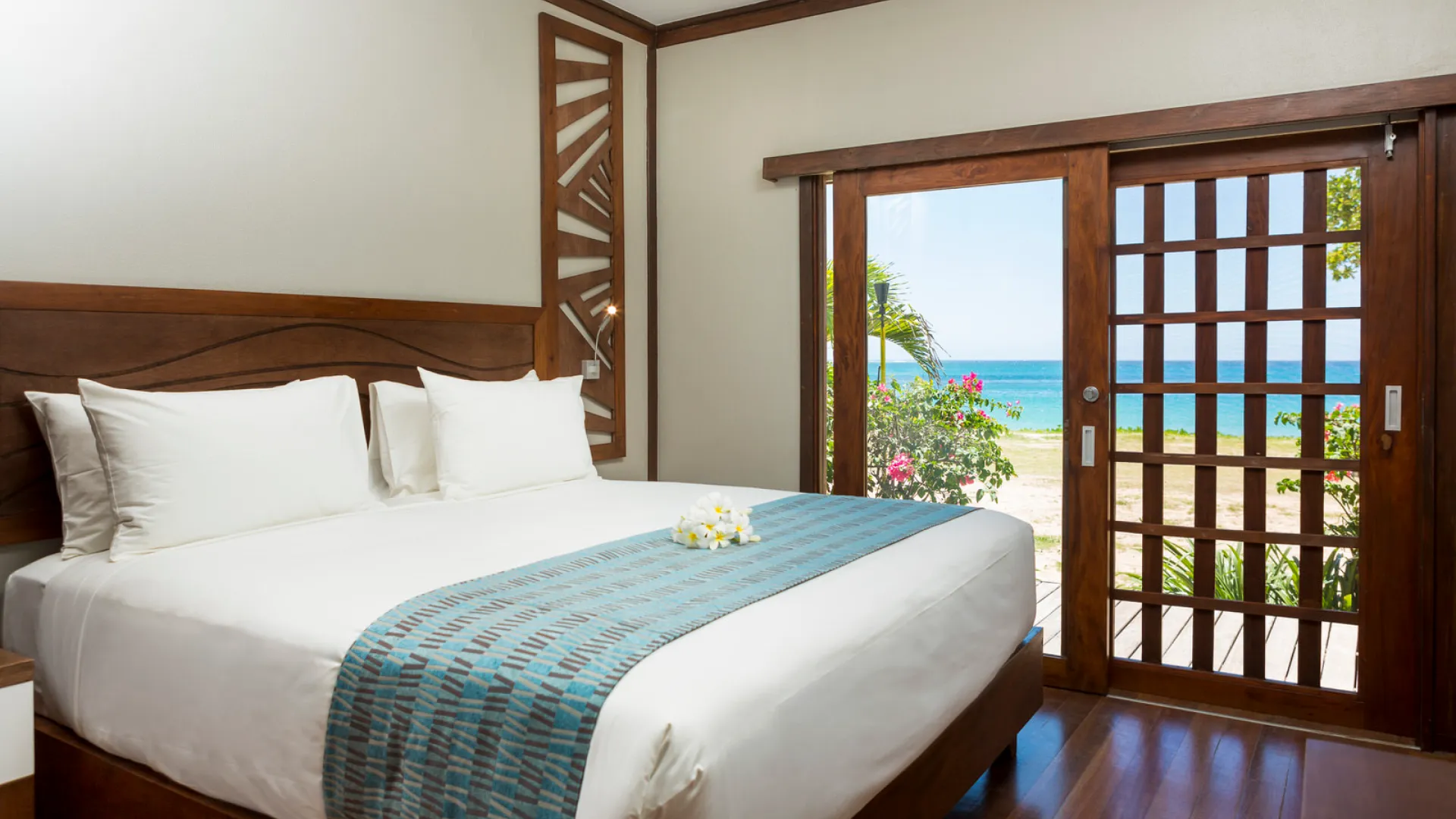
Hospitality is connected to relationships, community and place
The source article highlights several cultural ideas that help travellers understand why hospitality in Fiji can feel so personal.
The source presents mutual respect as a foundation for how elders, visitors and communities relate to one another.
Food, time and achievement are often experienced collectively, so generosity toward guests sits naturally inside a communal way of life.
Vanua is much broader than land alone. It connects people, place, customs, values and identity, which helps explain why caring for visitors can also be understood through a wider responsibility to community and place.

A welcome can also be ceremonial
When travellers visit a traditional village, a sevusevu may form part of the welcome. Tourism Fiji explains that visitors commonly present kava to the village chief to seek permission to enter communal lands as guests and to show respect.
Kava, also known as yaqona, is prepared from the root of Piper methysticum and served from a tanoa into a bilo. It can be shared ceremonially or socially and is strongly associated with conversation, fellowship and community.
Read Tourism Fiji’s kava guideCulture is experienced through ceremony, food, music and storytelling
Sevusevu
A formal protocol used when entering a traditional village or communal land. Kava is commonly presented as a gift, and the ceremony expresses respect between visitors and hosts.
Kava or yaqona sharing
Kava is served from a communal bowl and can be part of formal ceremonies, resort cultural nights or relaxed evening conversation.
Lovo
A lovo is an underground earth oven. Tourism Fiji describes it as a communal cooking tradition where meats, fish, root crops and vegetables are layered over heated stones and slowly cooked beneath leaves and soil.
Meke
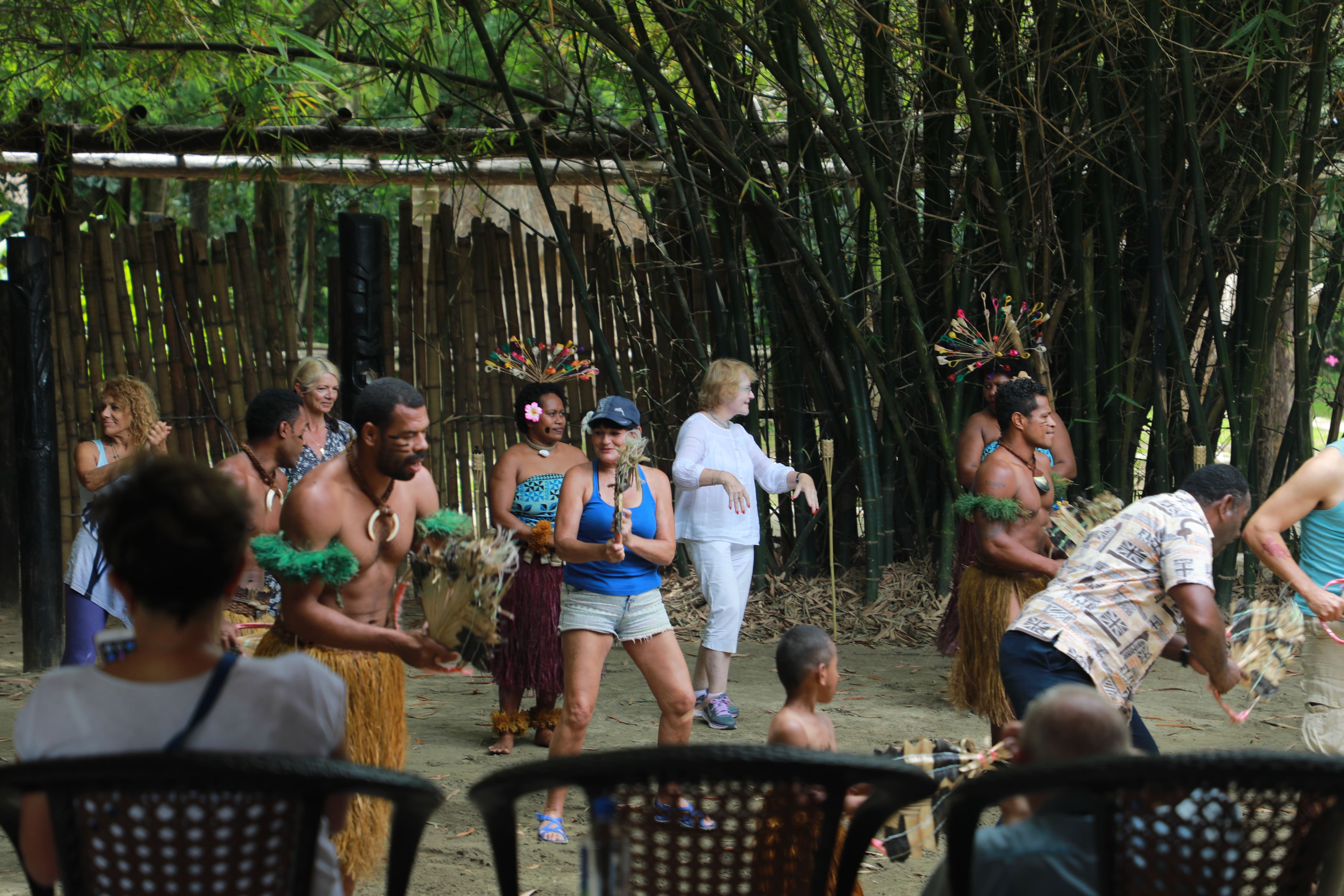
Meke combines dance, song, movement and storytelling. It is a living performance tradition used to share stories, legends and cultural memory.
How to be a respectful guest in a Fijian village
Village etiquette varies, so the best rule is to follow your host or guide. Current Tourism Fiji guidance consistently recommends the following basics.
If you are offered a bilo
Tourism Fiji’s current guide gives a simple three part rhythm for accepting kava respectfully.
Service is only one part of the experience
Kimaya’s current website describes the group as being rooted in diversity, humility and integrity, with a strong emphasis on authentic connections with guests, staff and communities.
Its current cultural content also promotes Fijian welcome experiences, traditional crafts, cooking, meke performances and village visits as ways for guests to connect more deeply with Fiji.
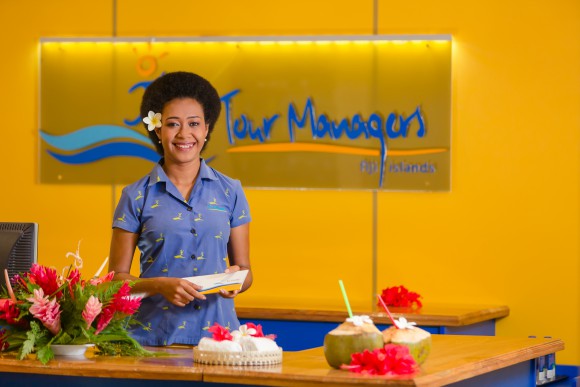
Across Yatule Resort & Spa, Fiji Hideaway Resort & Spa, Landers Bay Resort & Spa and Tour Managers Fiji Islands, the wider Kimaya story is built around combining travel experiences with a genuine sense of place.
Explore cultural experiences at KimayaFijian hospitality and culture FAQs
What does Bula mean in Fiji?
Bula is commonly used as hello, but Tourism Fiji also explains it as a wish for life and good health. It can be used throughout the day.
What is a sevusevu ceremony?
Sevusevu is a traditional protocol used when visitors enter village or communal land. A gift of kava is commonly presented as a sign of respect and to seek acceptance as guests.
What should I wear to a Fijian village?
Dress modestly, cover shoulders and knees, and remove hats and sunglasses. A sulu is commonly worn for village visits.
What is a lovo?
A lovo is a traditional underground earth oven used to slowly cook meats, fish, root crops and vegetables over heated stones.
What is meke in Fijian culture?
Meke is a traditional performance that combines song, dance, rhythm and storytelling to express cultural stories and memory.
Come for Fiji. Connect with what makes it Fiji.
Explore Kimaya’s resorts, tours and experiences, then travel with the curiosity and respect that make genuine hospitality a two way connection.
Explore Kimaya Brands Contact Kimaya Fiji